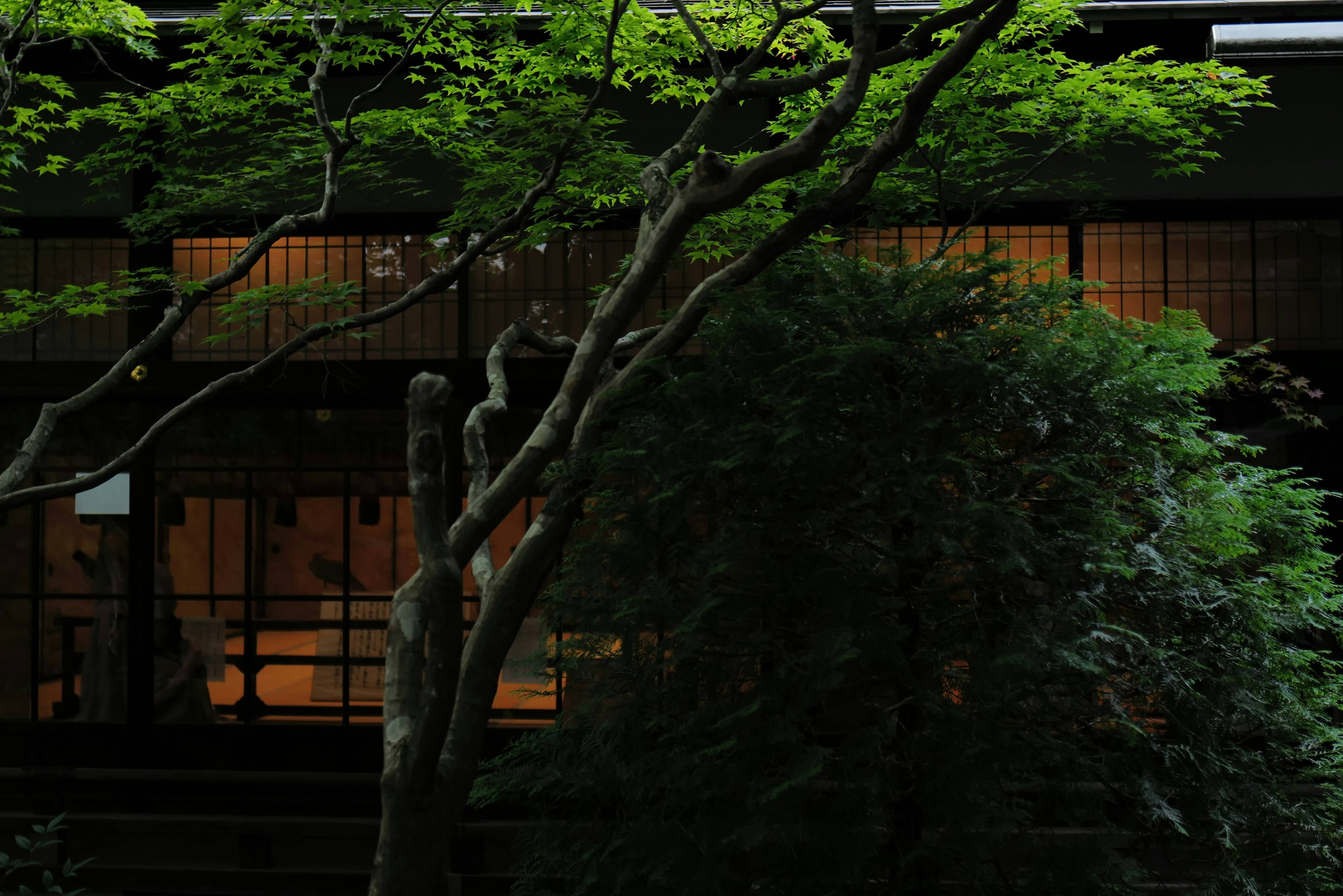
Kokobo Studios
Design Methodology
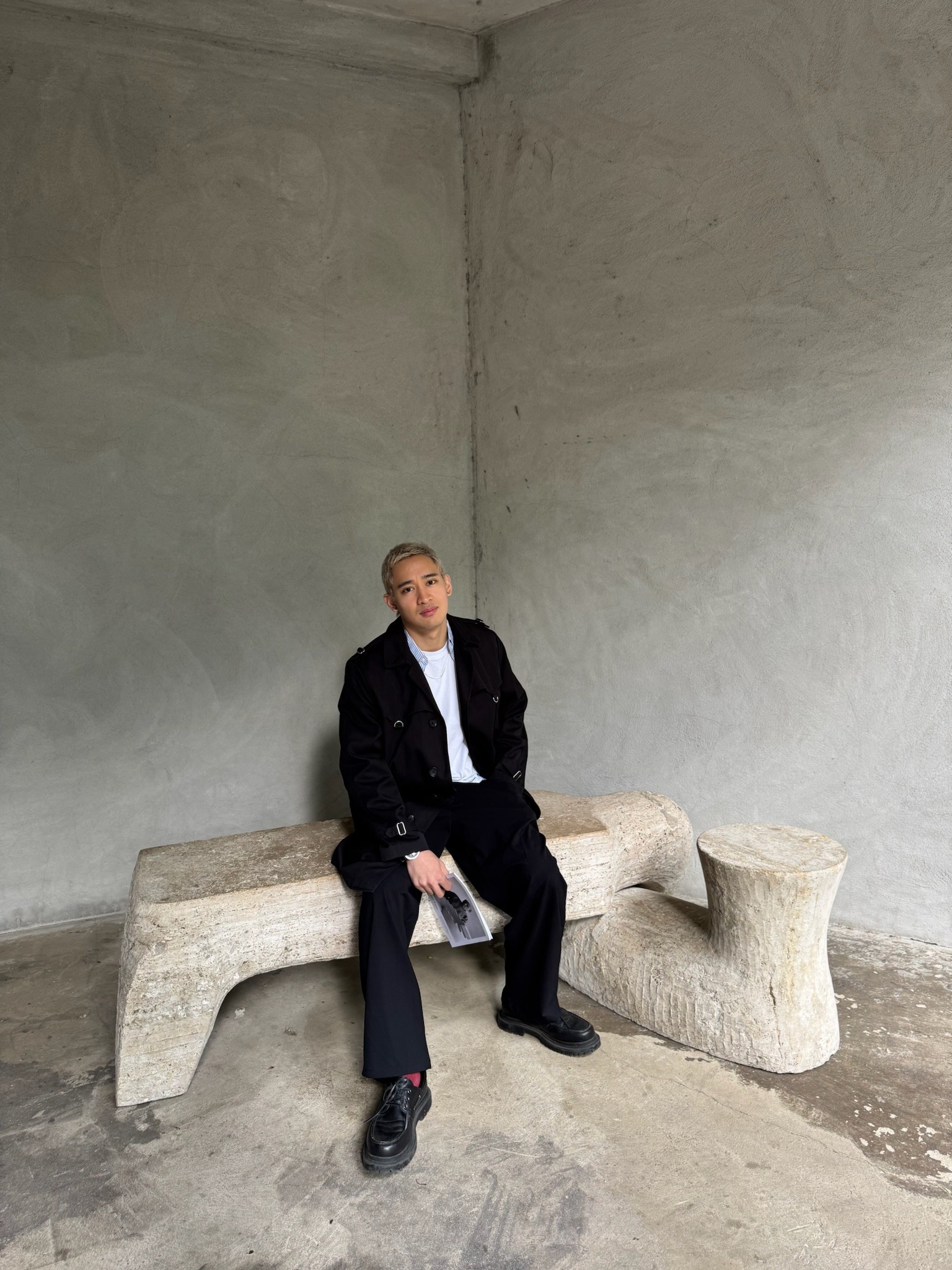
Why we exist
I started Kokobo Studio because I felt a growing tension between the way we consume and the way we should relate to the things around us. The speed of wanting to own, replace, and accumulate never sat right with me. When I began practicing Sogetsu ikebana, something shifted.
I learned to slow down, to see form and space with more care, and to appreciate the quiet intention behind simplicity.
I wanted to bring that same awareness into design. Not to add more to the world, but to help people see what is already in front of them differently.
To look closer. To hold objects, spaces, and nature with more intention.
That is why Kokobo exists.
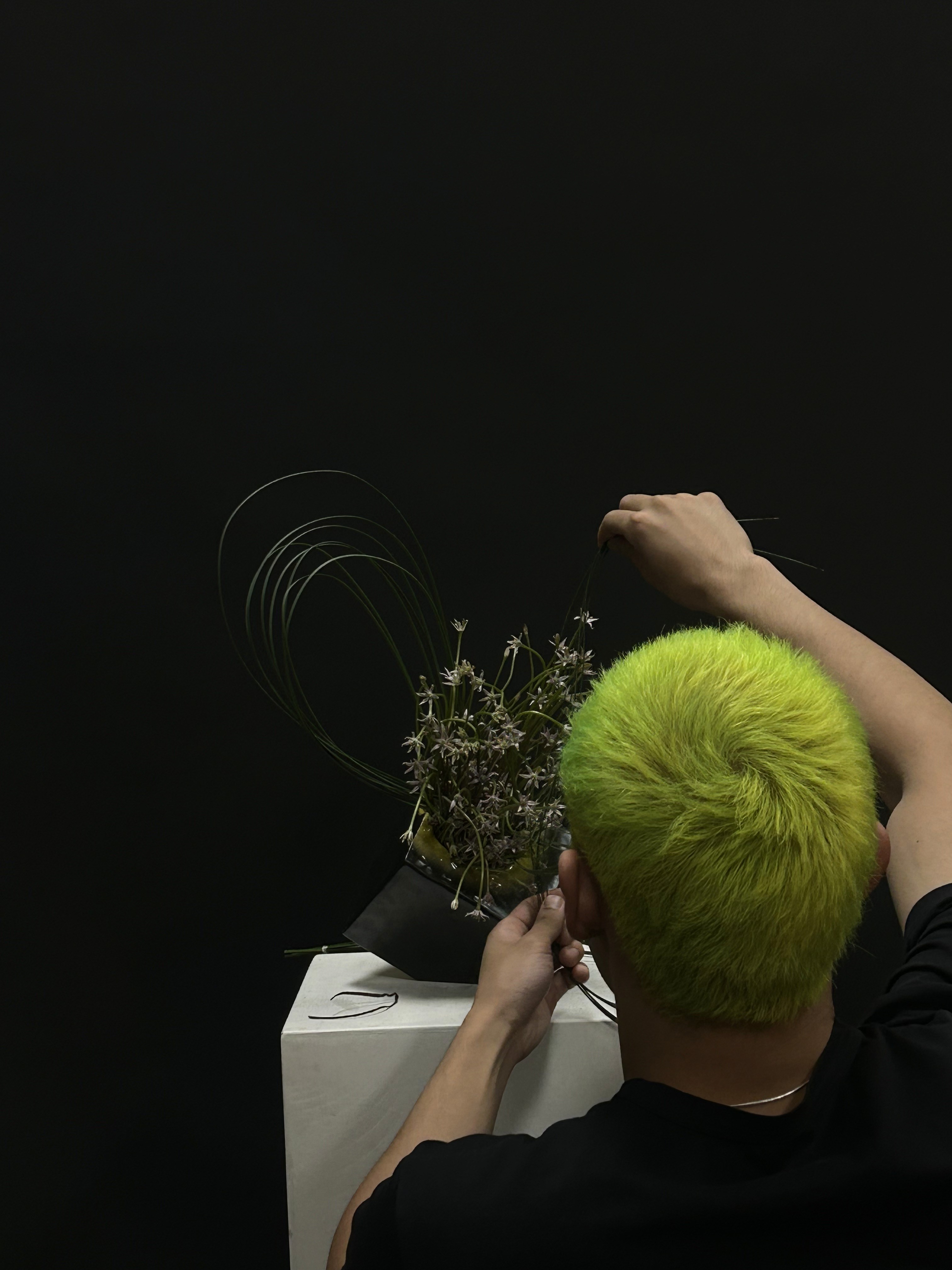
Roots and approach
Growing up in Vancouver shaped an intuitive relationship with nature. Studying industrial design in New York sharpened an understanding of form, material, and function. Practicing Sogetsu ikebana bridged both worlds. Our approach begins with ikebana methodology, where hierarchy, negative space, and balance guide every decision. Industrial design brings rigor and material experimentation. Together, they create work that honors tradition while remaining modern and intentionally alive.
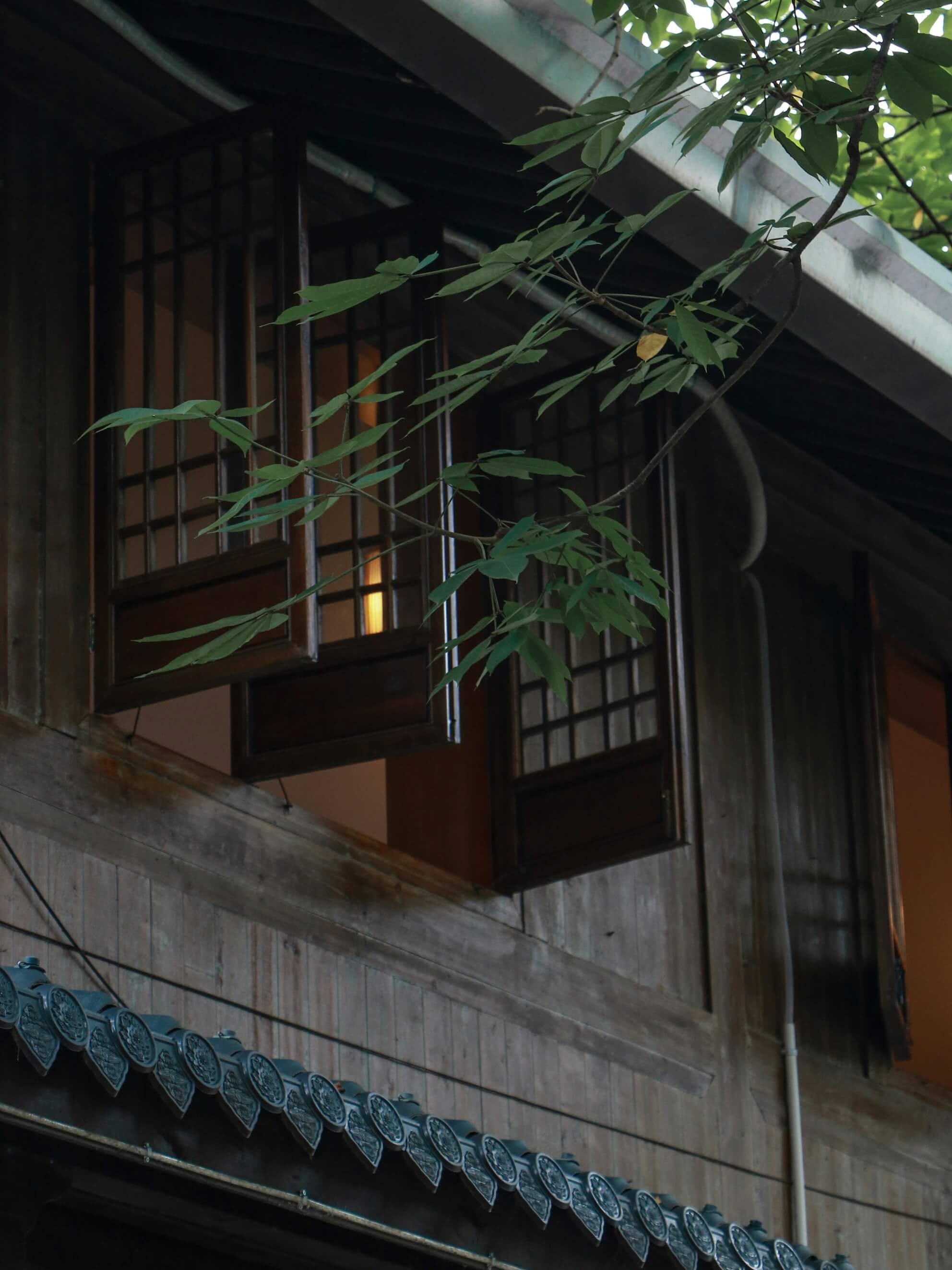
The name
Kokobo comes from koen botaniko, a name that carries two cultures. Koen, a nod to the botanical world and a respect for Japanese tradition. Botaniko, rooted in Filipino heritage. The name reflects the studio itself, a practice built on bridging origins, disciplines, and philosophies. It is personal. It is intentional. And like everything we create, it is composed with care.